
Understanding the Game of Mahjong: A Cultural Phenomenon with Strategic Depth
Mahjong is a game that has enamored players across the globe for centuries. While originating in China, this tile-based game has made its mark internationally, captivating enthusiasts with its mix of luck, strategy, and skill. Often played socially, Mahjong is not only a pastime but also a competitive pursuit that holds significant cultural value.
The Origins and Evolution of Mahjong
Tracing its roots back to the late Qing Dynasty, Mahjong’s history is rich and intriguing. Although it evolved from a variety of Chinese card and domino games, it took its current form in the mid-1800s. Mahjong has since spread far beyond China, with numerous regional variations emerging over time. In the early 20th century, it gained popularity in the United States and other Western countries, leading to the adaptation of various rules and styles.
The Game Setup: Tiles and Table Configuration
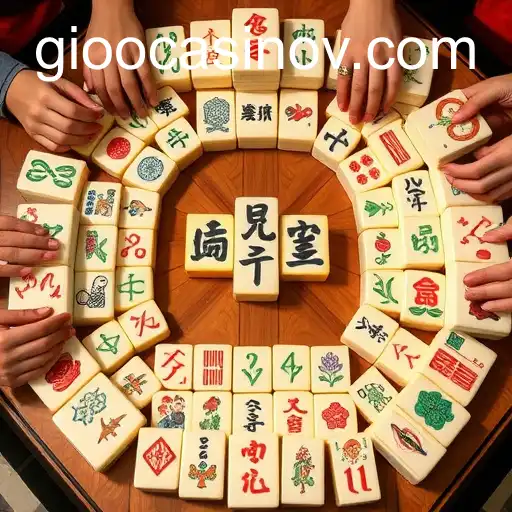
Traditional Mahjong is played by four players sitting around a square table, with each player possessing a rack. The game uses a set of 144 tiles, which are often made of materials like bone, bamboo, or plastic. These tiles are divided into three suits: bamboos, characters, and dots. Additionally, honor tiles (winds and dragons) and bonus tiles (flowers and seasons) add layers to the gameplay.
Importance of Understanding the Tiles
For an aspiring Mahjong player, familiarizing themselves with the tiles is crucial. Each suit runs from one to nine and, like a card deck, there exists four of each tile. Players need to understand these tiles to form winning hands, aligning them into sets of three or four.
Playing the Game: A Blend of Strategy and Chance
Mahjong begins with each player drawing thirteen tiles, with an additional tile from the wall (a term used for the stack of tiles) to form a hand. The aim is to complete the hand into four sets and a pair. This can involve a pung (three identical tiles), a chow (a sequence of three tiles of the same suit), or a kong (four identical tiles).
The Role of Strategy
While Mahjong may seem daunting at first, the strategic depth it offers makes it compelling. Players need to think ahead, calculate odds, and anticipate opponents' moves — skills that come in handy in any strategic pursuit. Mahjong is analogous to poker in that regard, with a strategic fold and draw mechanism that heavily relies on quick decision-making. This aspect resonates with the poker aphorism ‘bet 525’, representing knowing when to invest in a hand and when to discard it strategically.
Cultural Significance and Social Aspects
The social aspect of Mahjong is undeniable. Often, generations within families play Mahjong together, fostering bonds and preserving cultural heritage. During Chinese New Year or other festive gatherings, Mahjong tables are a staple in many homes. These gatherings generate a multitude of stories and memories, passed down through generations, contributing to its lasting legacy.
Modern Interpretations and Competitive Play
In modern times, Mahjong has seen its scope expand beyond leisurely play into competitive circles. There are international tournaments, and Mahjong clubs where avid players hone their skills. The game’s versatility has allowed for the emergence of digital versions, appealing to the tech-savvy player base and ensuring its relevance in the digital age.
Conclusion
Mahjong is more than just a game; it is a mental exercise, a cultural emblem, and a social connector. As its popularity continues to grow, its rich history and strategic nuances ensure that it remains a cherished activity around the world. From the familial gatherings to competitive arenas, Mahjong promises a unique blend of excitement, strategy, and tradition.